

Tensile structures also called membrane structures, fabric structure, tensioned structures, tensile membrane structures or tensile fabric structure. It's the most representative and promising architectural form of the 21st century. Breaks the pattern of pure linear architectural style, with unique surface shape, perfect combination of simplicity, brightness, rigidity and softness, strength and beauty, give architects a refreshing feeling and a greater imagine space for creativity.
Advantages of Tensile Membrane Tent
Solar properties
When used outdoors, a multi-layer tensile membrane tent can keep the area cooler and it helps in reducing heat.
Fire-safe
Almost all tensile membrane tent are flame retardant. Worldwide, the fire coding system checks on flammability, flame propagation or smoke.
Low maintenance
Ideally tensile membrane tent need to be annually maintained for its usage over an extended period of time. They require minimal maintenance as against an erected building or structure.
Durability
Tensile membrane tent are made up of materials that can withstand climate change and harsh weather conditions, so can last for a long time.
-
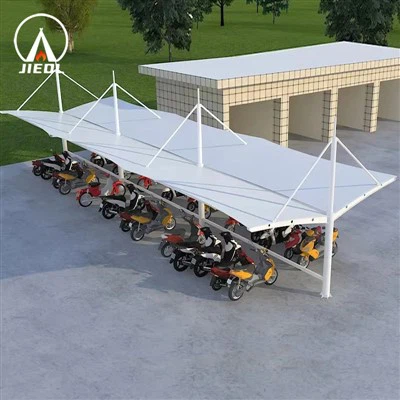
![Tent For Car Parking]() Add to Inquiry
Add to Inquiry -
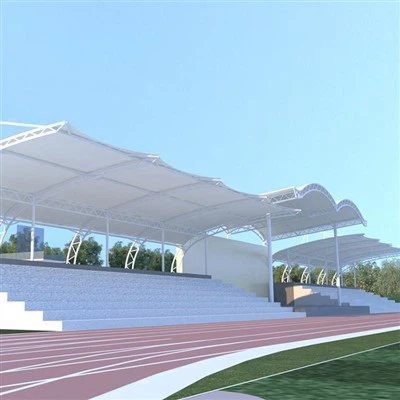
![Stadium Shade Tent]() Add to Inquiry
Add to Inquiry -
![Bleacher Tent]() Add to Inquiry
Add to Inquiry -
![Swimming Pool Shelter]() Add to Inquiry
Add to Inquiry -
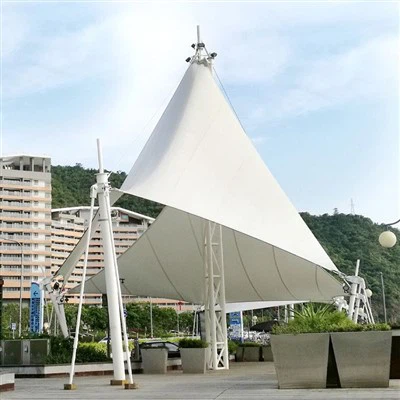
![Landscape Membrane Tent]() Add to Inquiry
Add to Inquiry


Why Choose Us
Our Product
Outdoor event tent, camping tent.
Product Application
Outdoor event, wedding , party , warehouse storage , camping.
Our Factory
Jieol has a modern production base covering nearly 10,000 square meters and advanced hardware processing equipment ,In Jieol company, the selected high grade raw materials (International Aviation Aluminum),the first-class design team, professional manufacture engineer along with high standard and strict monitoring system are the proof of our commitment to the product quality.
Our service
Customer service, we customized their own product according to customer varies of requirement , based on the local environment , from a user-experience perspective ,combined with most. Professional and serious design concept,and we nominate the exclusive engineer to guide the installation.
Tensile Membrane Tent VS Over Traditional Tent
A tension fabric tent is a building that uses fabric as a structure to support weight. Often called tensile façades, these structures can be used to cover the exterior of buildings, car parks or sports fields. The stretch construction is also great for incorporating brand messages into fabric graphics.
Tension membrane tents uses two basic building blocks: Saddle and cone. Both shapes are very versatile and can be used to create tents that suit your requirements. The saddle can be thought of as a twisted grid of rectangles, while the cone is more like a volcano. Two types of fabric tension tents can be stacked to create efficient designs.
Tensile membrane tents are a good alternative to traditional buildings. As the name suggests, they consist of a metal frame and fabric shell. Compared to traditional buildings, tensile tents use less material and are more environmentally friendly. Steel is an excellent skeleton material and requires less material for the tent than conventional construction.
The tension fabric tent has a highly reflective surface for better lighting even during the day. This results in a significant reduction in the energy required for lighting and HVAC systems. This means lower utility bills for homeowners. The highly reflective surface of the tensile tent is a great advantage for energy efficient buildings! This makes it perfect for buildings and parks.
Tensile tents use less material than over traditional tent , and it can be used to construct entire buildings. It is easier to install and requires fewer internal struts than tension fabric construction. Tension fabric buildings typically use a steel frame as structural support and fabric as a protective layer to keep out the elements. You get all the benefits of tension membrane structures without the high cost of interior construction.
Tensile Membrane Tent Installation Steps




The first step: Primary Design
designing a tensile fabric structure from site visit or detailed review of photographs where the structure will be located.
Per the site location and client requirements, we design the optimal roof form which suits the aesthetics and engineering requirement, while keeping in mind the client’s budget. In the case of a reskin or roof replacement, we evaluate the structural elements to define what can be recycled and what needs to be replaced, as well as location and set up for a 3D survey. When working with existing structure components, a 3D survey is always required.
The second step: Design and Engineering Review
The design review process begins with input from engineering and construction to ensure efficiencies throughout the project. Then, initial conceptual sketches are sent to the client for input and initial approval. In the final stage we create a 3D design package so the client can easily see the structure before it is built. Upon approval, a components list is created; patterning and shop drawings are drafted; and the fabrication and assembly process can begin.
Step three: Production Process
Includes procurement, fabrication and assembly. Most metal components of the tensile structure are custom pieces. Precision production requiring laser cutting, shaping and welding take place, forming the tensile structure’s components. The metal surface coating is determined during the design phase based on corrosion control, client requirement and application. The finished steel components are sand blasted and prepared for galvanization, epoxy or custom powder coated paint. The cables system, turnbuckles, bolts, fasteners and tensioning components are specified during the design phase, procured or fabricated (if custom) as required, and assembled in a quality controlled environment.
The membrane weight, color and characteristics are determined during the design phase. There is a wide selection of fabrics available. Engineering requirements, in conjunction with the client’s requirements, will help determine the best recommendation for the structure. Membrane is fabricated in an IAFI production facility with skilled workers utilizing high quality RF welding machines. The temperature and heat welding process are based on the membrane selection, sub scrim and the membrane manufacturer’s best practices.
Membrane Fabrication is very important because the look of structure depends on the patterning and shaping that occurs at this time. Throughout this fabrication process, patterning, weld strength, assembly order (and accessories) and systems that integrate within the membrane (pockets, grommets, rings and reinforcements), are routinely checked for compliance.All patterned sections are pieced together on structural RF welding systems and the final quality check is complete. The membrane can be folded in a variety of methods determined by the construction methodology to accommodate the easiest and most economical installation. Upon completion, roof panels are packaged in special PE bags, a complete bill of materials is developed and the components are prepared for loading and shipping.
The fourth step: Construction
Throughout the process a project manager works with the client to coordinate the other trades on site, including any concrete foundation work.
Fencing, equipment and staging area will be pre‐determined and crew will mobilize to the site to receive the material. An experienced crew will work to complete any tear down work (if an existing structure is present) or begin installing the frame work of the new structure. The membrane will be added once the substructure and cables are complete,laid out in its pre‐determined packaging and unfolded on the structural system. Both compression and tension are used during the erection process. In this phase, close attention is paid to wrinkles in fabric. By ensuring correct tolerances on the tensioning system and equaling stress across the entire structure, an even tension and finish are successfully completed.
The Importance of Tensile Membrane Tent
Tensile Membrane Tent is an ancient form of architecture that has been used as a house and a simple shelter since its inception. Nowadays, with the rapid development of building technology, computer technology and new materials research, new fabric membranes with excellent performance are used to construct permanent tent structures, namely membrane structure tents. The tent structure are generally stretched by cables and membranes.
One of the outstanding features of the membrane structure is the diversity of its shape, the infinite possibilities of the surface, which can be arbitrarily changed with the architect's imagination. Many membrane structure tents are becoming more and more novel and more and more well-built. In order to express the aesthetics and practicability of the membrane structure tents, our designers boldly designed and carefully calculated a series of high-level membranes Structure tent. With the wide application of membrane structures and people's understanding of membrane structure tents, more and more customers have adopted architectural forms such as membrane structures.
The Tensile Membrane Tent is first made of high-strength light steel to form a landscape skeleton. After the skeleton is finished, a series of careful grinding and derusting, after passing the inspection, it is sprayed twice by anti-rust paint. After the paint is completely dried, the paint is completely dried. The surface of the steel structure is sprayed three times to ensure that the steel structure is not rusted for a long time, thus ensuring the safety of the steel structure. After the steel structure spraying work is completed, the fabric membranes cutting and hot-melt welding work is performed. Finally, the film fabric is fixed on the steel structure with screws, and the surface of the film cloth is flattened by a series of installation and debugging, and the film brid is uniformly stressed. Enhances the ability of the film to resist natural weather. Thereby extending the service life of the film cloth.
Flysheet/outer tent
This is the tough waterproof outer layer of the tent and provides extra protection against bad weather. Its main job is to keep the rain and wind out.
Porch
Good family tents will have a large porch area for storing your equipment and free up space in the sleeping area. It’s also a good area to cook and eat meals in. Even small, portable backpacking tents may be fitted with a small porch area for you to enjoy.
Guy lines
Cord or string lines are used to secure your tent to the ground. They provide structure to parts of the tent where poles can’t. They also create tension across the outer fabric of the tent to prevent rainwater pooling in saggy areas. Guy lines are usually secured to the ground with pegs or stakes.
Storm flaps
Outer tent doors with zips usually have a strip of fabric that folds over the zip to prevent rain and wind from getting through. The flaps are typically secured at the base with a Velcro tab to keep them in place.
Inner tent
This sits underneath the flysheet, clipped to the outer material or poles. The inner tent isn’t waterproof but divides the tent into living and sleeping areas, providing a welcome layer of warmth and privacy.
Mesh door
An essential when camping in areas where bugs and insects are a problem. They are also very lightweight and often feature in backpacking tents where weight is significant.
Groundsheet
Usually made of a durable waterproof fabric, this is the part you sit or lie on. Some tents have an integrated groundsheet attached to the inner tent to provide extra warmth and keep you and your belongings dry.
Tensile Membrane allow for a wide variety of flexible designs and uses that can compliment and guide any structure’s aesthetic strategy and plan. They can be changed to work into any design and style, and can look elegant and sophisticated.
Tensile membranes also have a spectacular translucency. Unlike many construction materials on the market today, tensile membranes can be both attractive and visually pleasing, but can provide a wonderful translucency that allows for shade and cover, while also allowing natural lighting into a building. The light will not be colored by the Tensile Membrane, but can provide clear lighting.
Tensile membranes have an extremely high level of durability. They can be placed into any weather and needs, and can withstand destructive factors without needing much maintenance. It is perfect for those who need something visually pleasing, practical, and strong and long lasting. It will not need require replacement and repair often, and saving you money and time in the long run.
Tensile membranes are lightweight materials, and will not weigh down any building or construction project. It will not visually weigh down your project, nor will they physically weigh down any project. This is important in ensuring that the building is structurally safe and secure.
Because Tensile Membrane are so durable and long lasting, they are also extremely low maintenance. They often require little to no regular upkeep, any upkeep being required after several years. This will save money in the short term and the long run, as there will no little maintenance costs for the building owners and those responsible for upkeep.
Tensile membranes are an extremely affordable option, as the materials can often be cheap, but they can also save you money on electricity costs. Tensile Membrane can help filter through natural light into a room, saving money on lighting, and can often filter and reflect much of that light, which ensures that the light that does go into the room does not bring up the temperature of the room. This can save on air conditioning and electricity costs for the owners.
Tensile membranes can easily be configured to meet varying and specific construction code compliances. As many engineers, architects, and construction managers know, complex and specific construction compliance codes can either make or break a project. With tensile membranes, you can manipulate the material to fit into whatever specific construction codes that your area may have.
How To Maintain The Tensile Membrane Tent

The first is that when we choose membranes, the economical and practical standards are: if you plan to use them within 10 years, you can choose PVDF membranes; if the life expectancy is more than 10 years, it is recommended to choose PTFE membranes. In the selection of membranes in the same kind of products, we should choose the middle and upper level of the price. We must look at the samples before signing the contract to confirm the quality of the materials. The quality is guaranteed so that the stretched membrane structure you make can last longer.
Above the membrane structure, there is also a steel structure foundation, and the foundation of the steel structure cannot be saved. For a tensioned membrane structure, the steel structural support is the most important factor affecting the safety of use. Insufficient materials for steel structures can easily cause deformation or even dumping of the entire structure. The membrane is damaged, the customer can replace it, but the steel structure is problematic, and the whole project is often scrapped. Therefore, the steel structure is a basic support of the membrane structure and an important factor that cannot be ignored.
In normal use, we also need to check the use of the membrane structure frequently, and clean up the debris on the membrane surface in time. When we see the accumulation of debris (usually more leaves appearing) on the tensioned membrane structure, we must clean it up in time. The membrane material itself has strong anti-corrosion and anti-mildew ability, but this ability is not unlimited. When the foreign object stays on the membrane surface for a long time, the chemical substance generated during the material decay process will lead to the membrane material. Partial discoloration, if it is serious, it will directly spoil the membrane surface and reduce the service life of the membrane. Do a good job of lacquering and rust prevention. After the membrane structure project is handed over to the owner, the paint rust prevention should be carried out in the maintenance plan of the membrane structure and carefully implemented.
Finally, the most affected weather conditions, check the membrane surface tension in time after the snow storm. Maintaining proper tension on the membrane surface reduces the probability of attachment of foreign objects, while reducing the amplitude of shaking when subjected to external forces (wind and rain) and reducing fatigue damage at the corners of the membrane. The membrane is a flexible material with a certain degree of flexibility, which gradually decreases as the age of use increases. Generally, after the windy and heavy snow weather, the membrane will become slack. At this time, if it is not re-tensioned in time, the membrane will be in a state of extremely vulnerable.
FAQ
As one of the leading tensile membrane tent manufacturers and suppliers in China, we warmly welcome you to wholesale cheap tensile membrane tent for sale here from our factory. Contact us for pricelist.
