
Types of Glamping Tents: A Comprehensive Guide to Luxury Outdoor Accommodation
Sep 10, 2024
Introduction to Glamping
Glamping, a portmanteau of "glamorous" and "camping," represents a luxurious twist on traditional outdoor experiences. Unlike conventional camping, glamping offers a blend of nature and comfort, providing amenities that elevate the camping experience to a more sophisticated level. This modern approach to outdoor living has gained popularity for its ability to offer the best of both worlds: the beauty of nature and the comforts of home.
Glamping tents are at the heart of this experience, offering a variety of structures that cater to different tastes and needs. From the classic bell tents and safari tents to the more innovative dome tents and yurts, each type of glamping tent brings its own unique charm and functionality. These glamping tent types are designed not just for shelter but also to enhance the overall glamping experience, making them ideal for those who seek adventure without compromising on comfort.
Understanding the different types of glamping tents is crucial for anyone looking to embark on this luxurious outdoor journey. Whether you're a seasoned camper looking to upgrade your experience or a newcomer to the world of glamping, knowing the features and benefits of each glamping tent type can help you make an informed decision. This guide will explore the various glamping tent types, their characteristics, and how they can transform your outdoor adventure into a truly memorable experience.
Safari Tents and Wall Tents
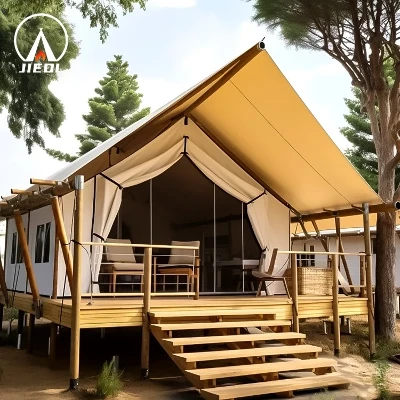
Safari tents, also known as wall tents or sheepherder tents, are a popular choice among glamping tent types due to their spacious and durable design. These tents feature four straight vertical walls, providing ample headroom and a house-like structure that can comfortably accommodate furnishings and modern amenities. Typically made from heavy-duty canvas, safari tents are supported by steel or wood posts, making them suitable for four-season use.
One of the key advantages of safari tents is their ease of transport and setup. Despite their robust construction, these glamping tent types can be quickly assembled and disassembled, making them ideal for both short-term and long-term glamping experiences. They are available in various styles, ranging from basic models suitable for rugged outdoor adventures to luxurious versions that include features like private bathrooms, electrical outlets, and even indoor kitchens.
Safari tents are particularly popular among glamping business owners due to their versatility. They can be easily customized to match the aesthetic of any glamping site, from rustic to modern. Additionally, their large door flaps allow for extensions or connections to other structures, enabling the creation of complex glamping setups that include multiple tents linked together.
For those looking to invest in a safari tent, it's important to consider the specific needs of your glamping site. Factors such as the local climate, the number of guests, and the desired level of luxury should all be taken into account. Reputable manufacturers offer a range of safari tents that cater to different budgets and requirements, ensuring that you can find the perfect fit for your glamping venture.
Glamping Dome Tents
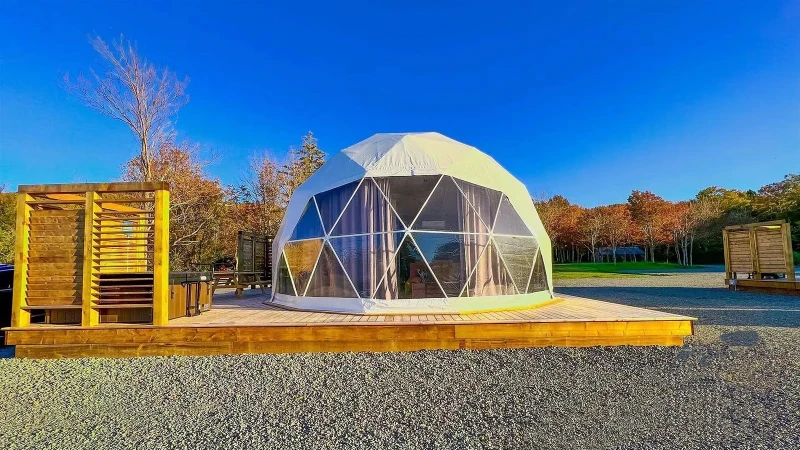
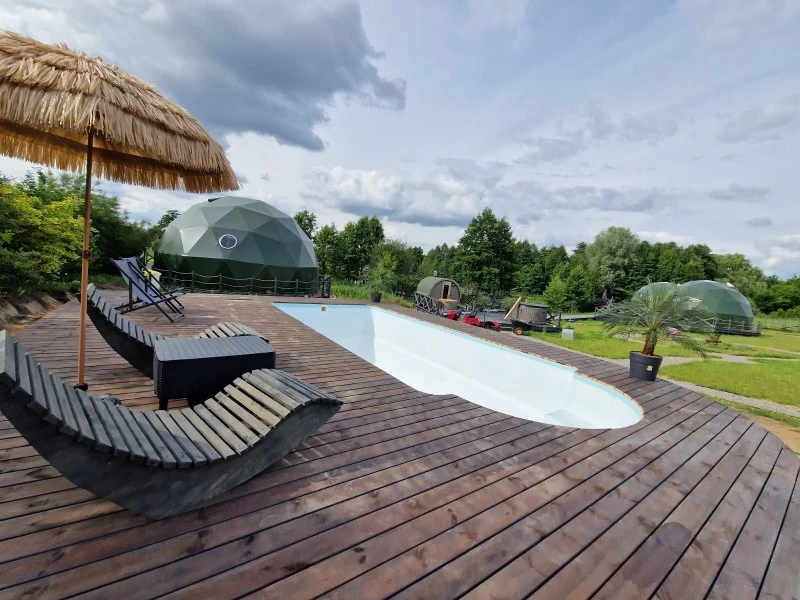
Glamping dome tents, also known as geodesic domes, have gained significant popularity in recent years due to their unique and eye-catching design. A geodesic dome is a structure based on a network of triangular elements that form a spherical or nearly spherical shape. This design not only adds an elegant aesthetic but also provides excellent structural stability. The dome shape allows for maximum interior space, making them ideal for glamping setups that require ample room for furnishings and amenities.
One of the standout features of glamping dome tents is their versatility. They can be easily equipped with household facilities, such as beds, furniture, and even modern conveniences like air conditioning and Wi-Fi. This makes them perfect for a wide range of applications, from luxury resorts and hotels to Airbnb rentals and private retreats. The dome design also allows for multiple setup options, including the ability to create functional facilities like reception halls and conference rooms, enhancing their utility beyond just accommodation.
Yurts and Bell Tents
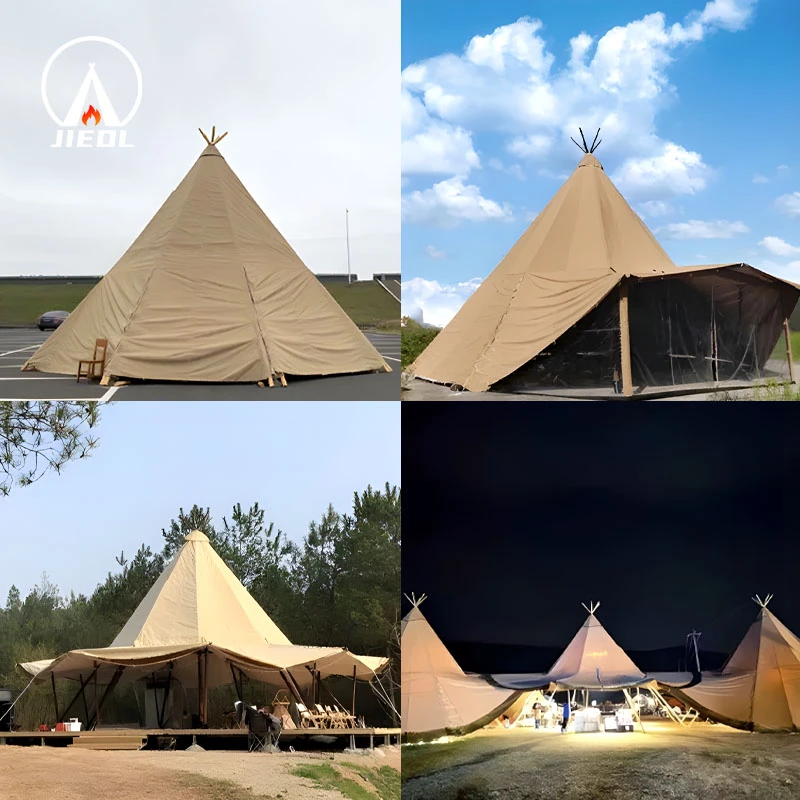
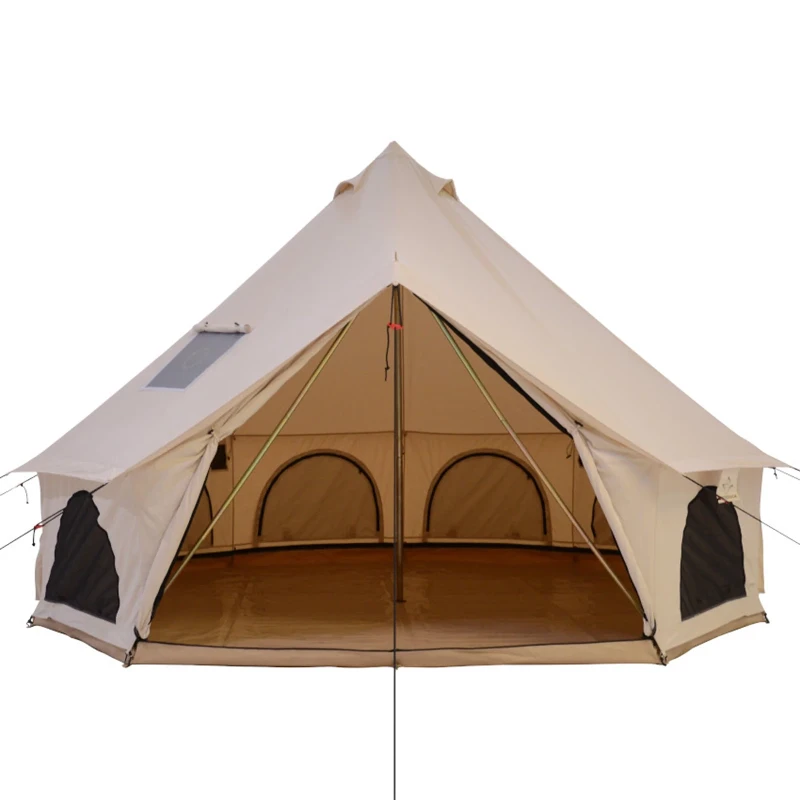
Yurts and bell tents are two of the most iconic structures in the glamping world, each offering unique features that cater to different types of glamping experiences. Understanding the differences and benefits of each can help you choose the perfect glamping tent type for your needs.
Yurts:
Yurts, originally from Central Asia, are round structures with a lattice wall and a conical roof. They are known for their spacious interiors and natural light, thanks to the skylight in the center. Modern yurts often feature advanced materials like metal framing and plexiglass, making them durable and weather-resistant. They are ideal for semi-permanent setups, often placed on wooden platforms, and can be equipped with modern amenities like electricity and heating.
Bell Tents:
Bell tents are characterized by their conical shape and single central pole. Typically made from cotton canvas, they are easy to set up and provide a cozy, intimate atmosphere. Bell tents are perfect for those looking for a more traditional camping experience with a touch of luxury. They are reinforced with guy ropes and pegs, ensuring stability even in windy conditions. The spacious interior can comfortably accommodate multiple people, making them ideal for family or group glamping trips.
Both yurts and bell tents offer a blend of tradition and modernity, ensuring a comfortable and memorable glamping experience. Whether you prefer the spaciousness and durability of a yurt or the cozy and portable nature of a bell tent, each glamping tent type has its own unique charm and practical advantages.
Unique Structures: Treehouses and Pods
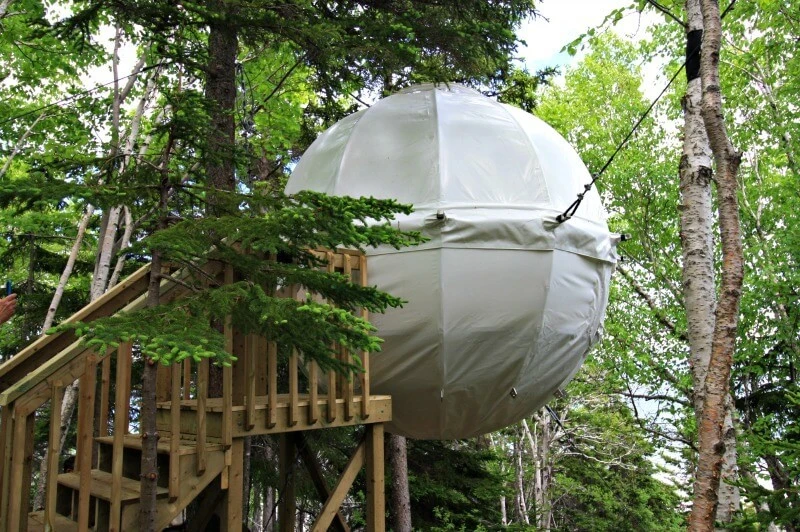
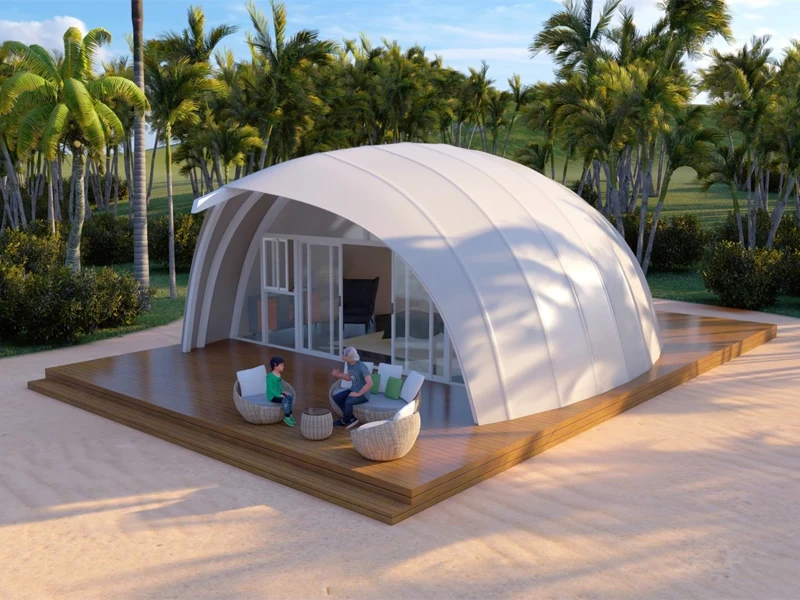
When it comes to glamping, the experience is often elevated by unique structures that offer more than just a place to sleep. Treehouses and pods are two such structures that bring a touch of whimsy and luxury to the glamping experience.
Treehouses
Treehouses have long been a symbol of childhood dreams and adventure. In the context of glamping, they transform these dreams into luxurious realities. Modern treehouses are no longer just wooden platforms high up in the trees; they are sophisticated structures that blend seamlessly with nature while offering all the comforts of home. These elevated retreats often feature large windows to maximize the view, comfortable furnishings, and even modern amenities like Wi-Fi and air conditioning. The unique aspect of treehouses lies in their ability to provide a sense of seclusion and adventure, all while being surrounded by the beauty of the natural world.
Pods
Glamping pods are a more recent innovation that offers a blend of modern design and eco-friendliness. These structures are typically made from sustainable materials and are designed to be both stylish and functional. Pods can range from small, cozy spaces to larger, multi-room accommodations. They often feature sleek, minimalist designs with large windows to bring the outdoors in. One of the key advantages of pods is their versatility; they can be placed in a variety of settings, from forest clearings to coastal areas, making them ideal for a wide range of glamping experiences. Additionally, many pods are equipped with heating and cooling systems, ensuring comfort year-round.
Both treehouses and pods offer unique advantages that set them apart from traditional glamping tent types. Treehouses provide a sense of adventure and connection to nature, while pods offer a modern, eco-friendly option that can be tailored to various settings. Whether you're looking for a romantic getaway or a family-friendly adventure, these unique structures can elevate your glamping experience to new heights.
Choosing the Right Glamping Tent
When selecting the perfect glamping tent type, it's essential to consider several factors to ensure your experience is both comfortable and luxurious. Here are some key points to help you make the right choice:
1. Purpose and Location:
- Purpose: Determine whether you are using the tent for personal use, a family getaway, or a business venture. This will influence the size, style, and amenities you need.
- Location: Consider the climate and terrain of your glamping site. For example, a tent suitable for a desert environment might not be ideal for a rainy forest.
2. Glamping Tent Types:
- Bell Tents: Known for their spacious interiors and aesthetic appeal, bell tents are perfect for those seeking a cozy, communal feel. They are easy to set up and can accommodate multiple people.
- Safari Tents: These are durable and spacious, often featuring large door flaps for extensions or connecting to other structures. They are ideal for indoor kitchens and four-season use.
- Yurts: Traditional yet modern, yurts offer ample headspace and are suitable for semi-permanent setups. They are popular for their unique design and cultural significance.
- Dome Tents: With their geodesic design, dome tents are elegant and eye-catching. They are versatile and can be equipped with household facilities, making them perfect for resorts and Airbnb rentals.
- Safari Lodge Tents: Combining the best of safari, lodge, and tent styles, these tents offer luxurious interiors with private bathrooms and electrical appliances. They are ideal for functional facilities like reception halls and restaurants.
3. Size and Capacity:
- Number of People: Ensure the tent can comfortably accommodate all guests. For example, a family of four might need a larger tent than a couple.
- Interior Space: Look for tents with ample headspace and lounge areas. Glamping tents should offer more than just sleeping space; they should feel like a home away from home.
4. Materials and Durability:
- Canvas vs. Synthetic Fabrics: Canvas tents are durable and offer a classic look, while synthetic fabrics are lighter and easier to maintain. Choose based on your preference and the environment.
- Frame Materials: Steel or wood frames provide stability and durability, especially in windy conditions. Ensure the frame is robust enough to withstand the elements.
5. Amenities and Features:
- Modern Conveniences: Look for tents that offer modern amenities like air conditioning, Wi-Fi, and fully furnished beds. These features enhance the glamping experience and make it more luxurious.
- Interior Design: Consider the interior layout and design. Tents with separate sleeping areas, living spaces, and bathrooms provide a more comfortable and luxurious experience.
By considering these factors, you can choose the right glamping tent type that meets your needs and enhances your outdoor adventure with a touch of luxury.
Glamping vs Traditional Camping Tents
When it comes to choosing between glamping and traditional camping tents, the differences go beyond just the materials and setup. Glamping tent types are designed to offer a luxurious and comfortable experience, often featuring amenities like electricity, heating, and even private bathrooms. These tents are typically larger, with more headroom and space for furniture, making them ideal for those who want to enjoy the outdoors without sacrificing comfort.
Traditional camping tents, on the other hand, are more focused on functionality and portability. They are usually smaller, lighter, and easier to set up, making them perfect for backpacking trips or quick weekend getaways. While they may not offer the same level of luxury as glamping tents, they are designed to withstand various weather conditions and are often more affordable.
The choice between glamping tent types and traditional camping tents ultimately depends on your personal preferences and the type of outdoor experience you are seeking. If you prioritize comfort and modern conveniences, glamping tents are the way to go. However, if you prefer a more rugged and minimalist approach, traditional camping tents might be more your style.
Future Trends in Glamping Structures
As the glamping industry continues to evolve, several emerging trends are shaping the future of glamping structures and glamping tent types. One of the most notable trends is the integration of smart technology into these accommodations. Modern glamping tents, yurts, and domes are now equipped with smart home features such as voice-activated lighting, climate control systems, and Wi-Fi connectivity. This not only enhances the guest experience but also makes these structures more energy-efficient and sustainable.
Another significant trend is the emphasis on sustainability. Eco-friendly materials like recycled fabrics, renewable energy sources, and green building practices are becoming standard in glamping construction. Manufacturers are also focusing on creating structures that can be easily dismantled and relocated, reducing the environmental impact of site development.
Design innovation is another key area of growth. Architects and designers are pushing the boundaries of traditional glamping structures, introducing unique and aesthetically pleasing designs. From geodesic domes with panoramic views to yurts with modernist interiors, the variety and creativity in glamping tent types are expanding rapidly.
Finally, the trend towards customization is gaining momentum. More glamping operators are offering bespoke experiences, allowing guests to tailor their accommodations to their specific preferences. This could include everything from the layout and decor to the inclusion of personalized amenities and services.
In summary, the future of glamping structures and glamping tent types is poised to be more technologically advanced, environmentally friendly, creatively designed, and highly customizable, offering guests an even more luxurious and unique outdoor experience.