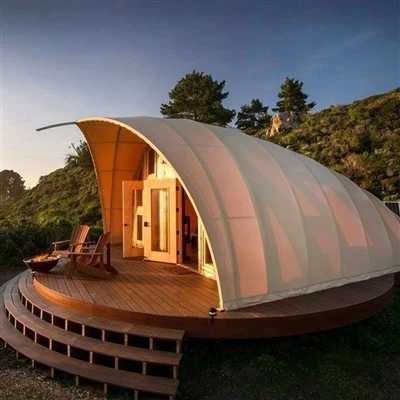

Glamping Tent Setup Guide: Step-by-Step Instructions
Jul 30, 2025
Setting up a glamping tent can seem daunting, but with the right steps, it's easier than you think. Whether you're a first-timer or an experienced camper, this guide will walk you through the essential stages of a smooth and successful glamping tent setup. Get ready to create a cozy, stylish outdoor retreat with confidence!
Before You Begin: Preparing for a Successful Glamping Tent Setup
Setting up a glamping tent isn't just about unfolding canvas-it starts with careful planning. A smooth setup depends on site selection, weather awareness, and having the right tools on hand.
- First, choose a flat, well-drained location. Avoid areas with slopes or risk of flooding. According to Glamping.com, poor site selection is one of the top reasons glamping setups fail.
- Next, check the weather forecast. If rain or wind is expected, prepare extra ground stakes and guy lines to reinforce the tent. In one real case, a family at Yosemite lost their tent overnight due to unexpected wind-strong anchoring could have prevented that.
- Finally, gather all setup materials in advance. This includes the tent components, hammer or mallet, ground tarp, and setup instructions. Keeping everything organized saves time and frustration.
Experienced campers often recommend laying out all parts first to ensure nothing is missing-a trick that has saved many from halfway surprises.
In short, preparation is key to a successful glamping tent setup. By getting your site, tools, and mindset ready, you'll avoid common mistakes and create a cozy, hassle-free retreat.
Key Steps to Build the Main Structure of Your Glamping Tent
Prepare the Ground
Spread a waterproof tarp or ground mat to protect the tent floor from moisture. A thick tarp is highly recommended for durability.
Assemble the Frame
Set up the tent's frame by connecting center poles, side poles, and support rings. Each tent model (like CanvasCamp or Lotus Belle) has its own instructions-follow them carefully to ensure stability.
Attach the Tent Fabric
Drape the tent fabric over the frame, pull it tight, and secure the corners with stakes and guy lines. Reinforce extra in windy conditions for added stability.
Example: A blogger managed to set up a Lotus Belle tent in Redwood National Park, California, in just 40 minutes, thanks to clear instructions and well-designed parts, resulting in a sturdy, roomy tent.
Once the frame is complete, you have a solid base ready for furnishing and decorating your glamping tent.
Setting Up the Interior: Creating a Cozy and Functional Glamping Space
| Setup Step | Details |
|---|---|
| Flooring & Insulation | Use rugs or mats for comfort; consider insulated or raised flooring to keep warm and dry |
| Furniture Arrangement | Set up beds with mattresses, pillows, linens; add chairs, sofas, tables for convenience |
| Lighting & Power | Install soft lanterns or string lights; provide power outlets for charging devices and appliances |
This step-by-step interior setup helps transform your glamping tent into a comfortable, functional retreat that feels like home.
Ensuring Safety and Maintenance for Your Glamping Tent Setup
A successful glamping tent setup isn't just about comfort-it's also about safety and longevity. Proper maintenance keeps your tent in top condition and protects everyone inside.
Secure Anchoring: Always use strong stakes and guy lines to firmly anchor your tent, especially in windy conditions. Proper anchoring prevents accidents and damage.
Regular Inspections: Check the tent fabric, zippers, and poles regularly for wear or damage. Early detection helps avoid bigger problems during your trip.
Cleaning Tips: Keep your tent clean by removing dirt and debris after each use. Use mild soap and water for spot cleaning, and always dry the tent thoroughly to prevent mold and mildew.
Weather Preparedness: Be ready to reinforce or temporarily take down your tent if severe weather is forecast. Protecting your tent from storms extends its lifespan.
By following these safety and maintenance tips, your glamping tent setup will stay secure and comfortable for many adventures to come.
Troubleshooting Common Issues During Glamping Tent Setup
Even with careful preparation, you may encounter some common challenges when setting up your glamping tent. Knowing how to handle these issues can save time and stress.
| Issue Type | Description | Solution |
|---|---|---|
| Fixing Leaks and Drafts | Small gaps or holes may cause water leaks or unwanted airflow | Use seam sealant or repair tape to patch holes; tighten loose guy lines |
| Handling Damaged Poles | Cracked or broken poles can compromise the tent's structure | Use pole splints or duct tape for temporary support; replace when possible |
| Zipper Problems | Stuck or broken zippers reduce tent accessibility and insulation | Use a graphite pencil or zipper lubricant; replace the zipper slider if needed |
| Wind Protection | Strong winds can loosen the tent or damage its structure | Reinforce stakes and guy lines; position smallest side of tent into the wind |
By being prepared for these issues, you'll ensure your glamping tent setup stays secure and comfortable throughout your adventure.
A well-planned glamping tent setup makes your outdoor stay comfy and fun. Prepare, build carefully, arrange the interior, and maintain safety for the best experience.
With these tips, your glamping adventure will be smooth and enjoyable. Enjoy your time in nature with comfort and style!